

Grief and Pity

Good Morning Readers,
One of my favorite poems by Polish Poet Czeslaw Milosz, who won the Nobel Prize in Literature in 1980, is one of his last.
Late Ripeness
Not soon, as late as the approach of my ninetieth year,
I felt a door opening in me and I entered
the clarity of early morning.

One after another my former lives were departing,
like ships, together with their sorrow.

And the countries, cities, gardens, the bays of seas
assigned to my brush came closer,
ready now to be described better than they were before.

I was not separated from people,
grief and pity joined us.
We forget—I kept saying—that we are all children of the King.

For where we come from there is no division
into Yes and No, into is, was, and will be.

We were miserable, we used no more that a hundredth part
of the gift we received for our long journey.

Moments from yesterday and from centuries ago—
a sword blow, the painting of eyelashes before a mirror
of polished metal, a lethal musket shot, a caravel
staving its hull against a reef—they dwell in us,
waiting for a fulfillment.

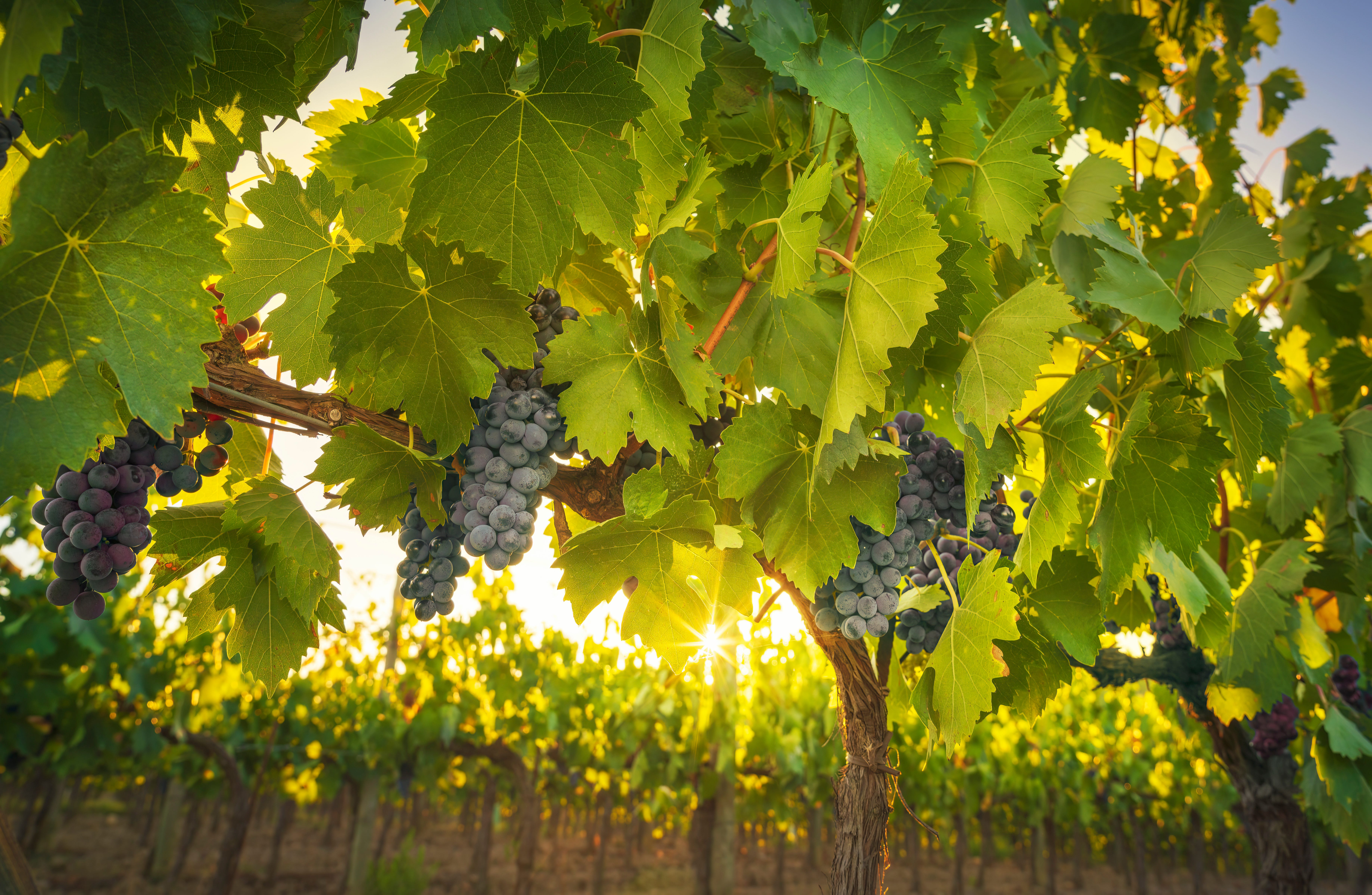
I knew, always, that I would be a worker in the vineyard,
as are all men and women living at the same time,
whether they are aware of it or not.

Czeslaw Milosz
I love this poem and could talk about it at length, perhaps even write a whole book about it. For now, I’ll focus on the first stanza. What draws me to the poem is the message that our journey and spiritual growth isn’t over until we die. Milosz was approaching ninety!
Aging in the poem is not decline but as a delayed awakening, where late life brings access to accumulated memories and insights once obscured. It emphasizes continuity across personal and historical time, suggesting that past experiences—individual and collective—remain active within the present self.
Regardless of age, a person can learn, ripen, have insights, renewal, and rebirth; they can feel a door opening and enter the clarity of early morning. For many people, reading poetry provides clarity. People see what they need to do, know where they need to go, bright and clear like early morning after a good night’s sleep, before the day’s intrusions and life’s noise and deceptions muddy the picture.
Everything from our individual and collective past could still be in us in the present. History is alive, always present, waiting for a fulfillment, waiting for us to give them their full due and expression.
Moments from yesterday and from centuries ago—
a sword blow, the painting of eyelashes before a mirror
of polished metal, a lethal musket shot, a caravel
staving its hull against a reef—they dwell in us,
waiting for a fulfillment.
Another part of the poem that draws me to it are the lines about our commonalities.
I was not separated from people,
grief and pity joined us.
We forget—I kept saying—that we are all children of the King.
For where we come from there is no division
into Yes and No, into is, was, and will be.
The things that divide us—politics, gender, race, nationality, hierarchies, class, borders, boundaries, and walls -- as I have written about in my last two posts —may seem important, but maybe they are not. At the end, we are all human and “children of the King”—of Christ, of God. “From where we come from,” we are born without the divisions and then living in the world imposes them on us.
This is my question for you this week: How do you keep waking up, awakening, and learning?
I look forward to hearing your comments.
David
The title of this piece caught my eye. I have lost three mentors since January. So, naturally, I am grieving. How do I awaken? I journal, practice centering prayer, and focus my attention on the people and projects that are important to me. I let the tears flow, knowing they will pass. I get on with living 💜